How to Keep Your Dog's Teeth Healthy Without Brushing
Most dog owners know they should brush their dog's teeth — but few actually do it consistently. If your dog runs the moment they see a toothbrush, you're not alone. The good news? Brushing isn't the only way to protect your dog's oral health.
Here's what actually works.
Why Dog Dental Health Matters
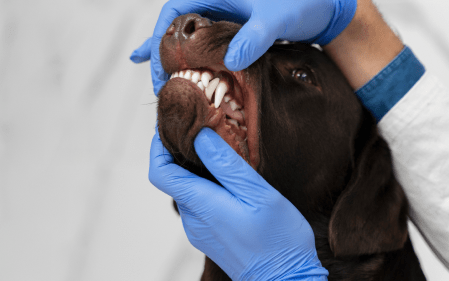
Dental disease is the most common health condition in adult dogs — affecting over 80% of dogs by age three. Left untreated, plaque and tartar buildup can lead to:
- Painful tooth loss and gum recession
- Bacterial infections that spread to the heart, kidneys, and liver
- Chronic bad breath (halitosis)
- Difficulty eating and weight loss
The earlier you start a dental care routine, the better — and it doesn't have to involve a toothbrush.
5 Vet-Approved Alternatives to Brushing
1. Dental Water Additives
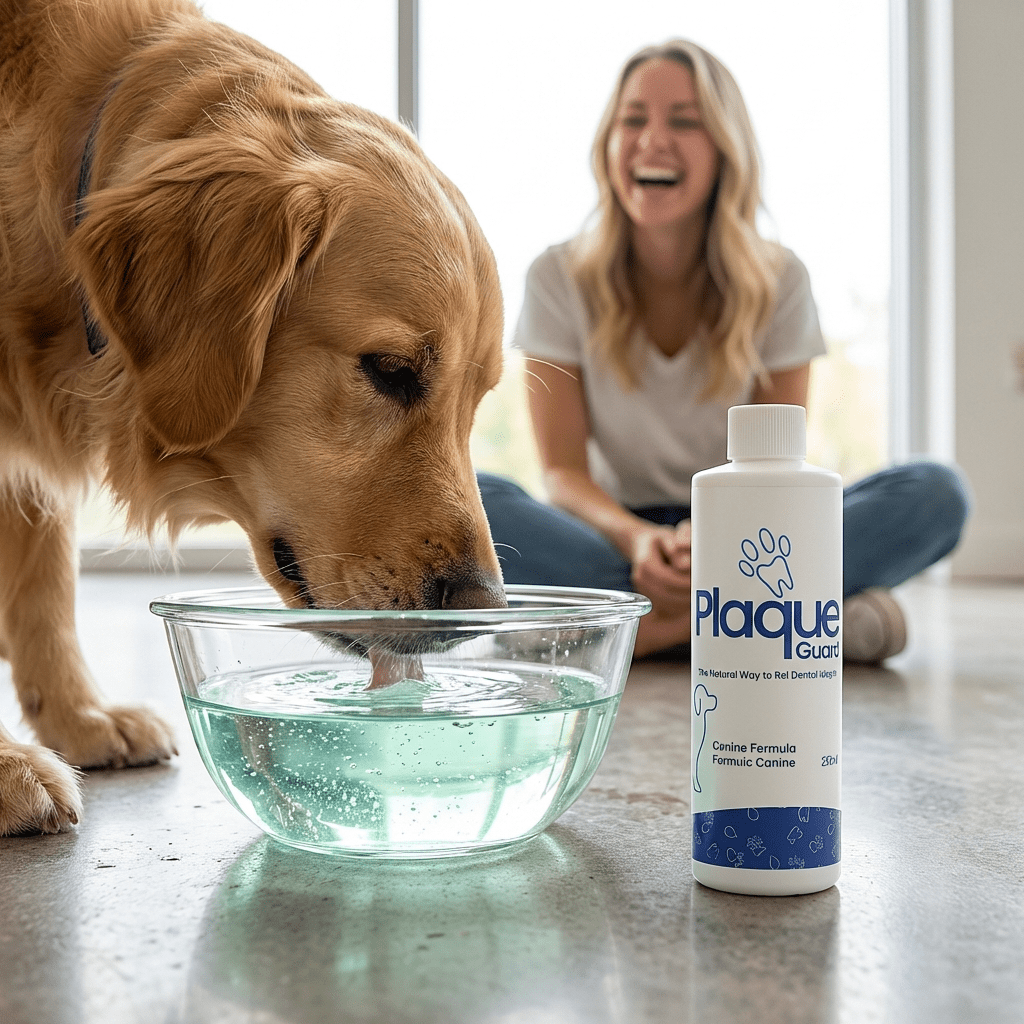
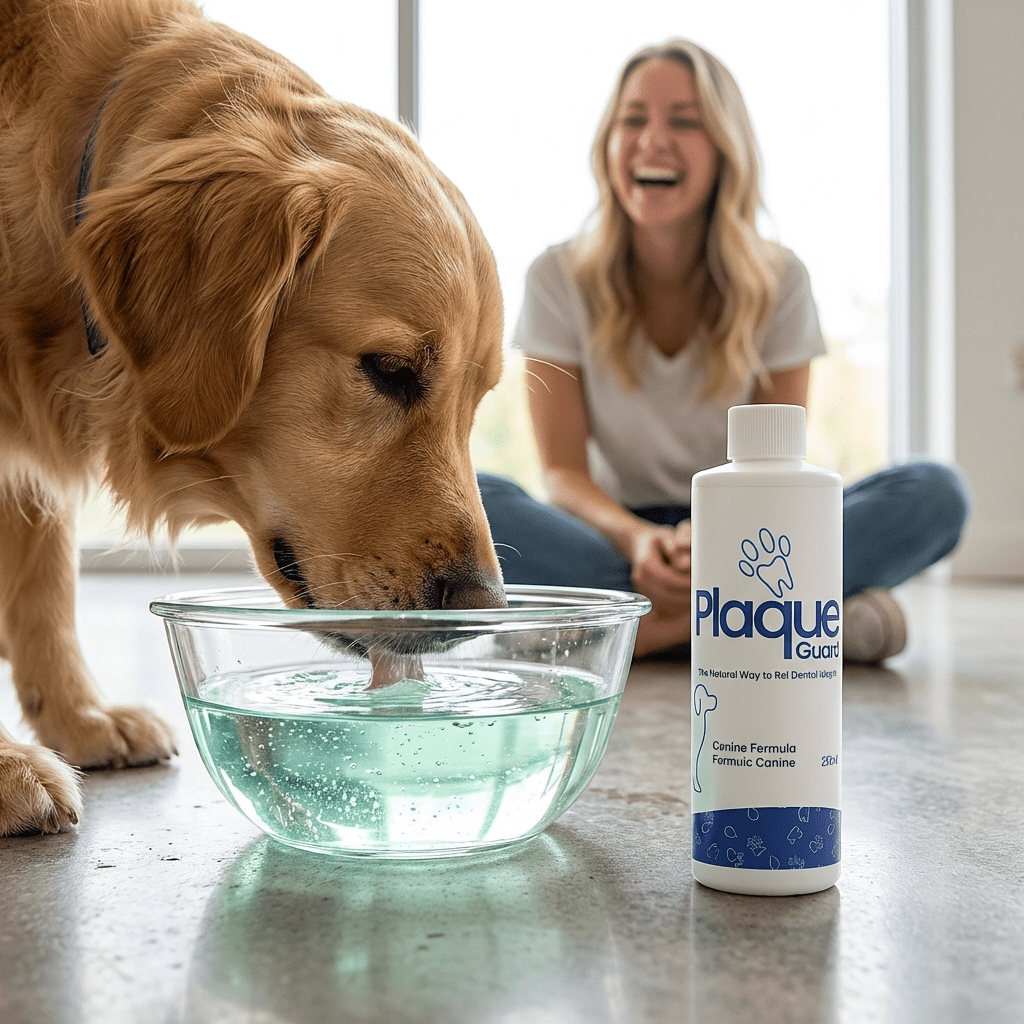
One of the easiest habits you can build: add a dental water additive to your dog's drinking bowl daily. Plaque Guard Water Additive for Dogs uses veterinarian-formulated ingredients to reduce plaque and tartar buildup with zero effort from your dog — they just drink their water as usual.
Look for additives that are:
- Free from alcohol, xylitol, and artificial dyes
- Formulated with natural antimicrobial ingredients
- Approved or recommended by veterinary professionals
2. Dental Chews
Chewing is a natural plaque-scrubbing mechanism. Dental chews with textured surfaces help mechanically remove buildup while your dog enjoys a treat. For best results, choose chews sized appropriately for your dog's breed and supervise chewing sessions.
3. Raw Bones (with Caution)
Raw, meaty bones can help scrape plaque from teeth. However, cooked bones should always be avoided — they splinter and pose a serious choking and intestinal hazard. Always consult your vet before introducing bones, especially for dogs with digestive sensitivities.
4. Dental Wipes and Finger Brushes
If your dog tolerates touch around their mouth, dental wipes or silicone finger brushes are a gentler alternative to traditional toothbrushes. They won't reach between teeth as effectively, but they're far better than nothing.
5. Veterinary Dental Cleanings
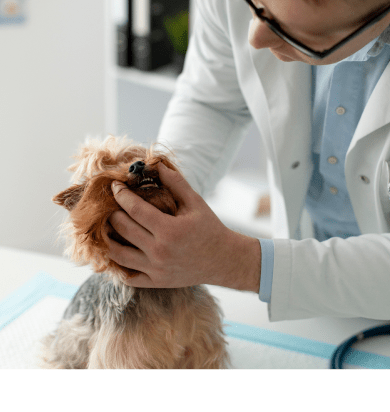
Annual professional cleanings under anesthesia remain the gold standard for removing hardened tartar. Think of at-home care as maintenance between cleanings — not a replacement.
Building a Routine That Sticks
The most effective dental care routine is one you'll actually follow. Here's a simple daily habit:
- Add Plaque Guard to your dog's water bowl each morning
- Offer a dental chew 2–3 times per week
- Do a quick visual check of your dog's gums and teeth monthly
- Schedule a vet dental exam annually
Signs Your Dog May Already Have Dental Disease
Watch for:
- Persistent bad breath
- Yellow or brown buildup along the gumline
- Red, swollen, or bleeding gums
- Pawing at the mouth or reluctance to eat hard food
- Loose or missing teeth
If you notice any of these signs, book a veterinary appointment promptly.
The Bottom Line
You don't need to win a daily toothbrush battle to keep your dog's mouth healthy. A dental water additive, combined with chews and regular vet checkups, can make a meaningful difference — starting today.