Does My Dog Really Need a Dental Cleaning? (The Cost vs. Risk Breakdown)
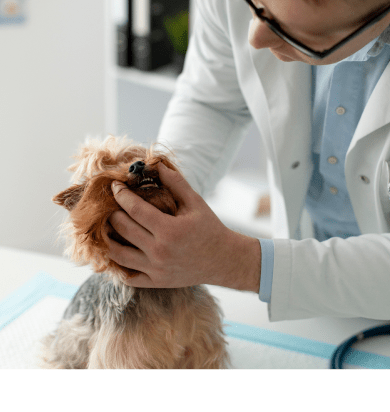
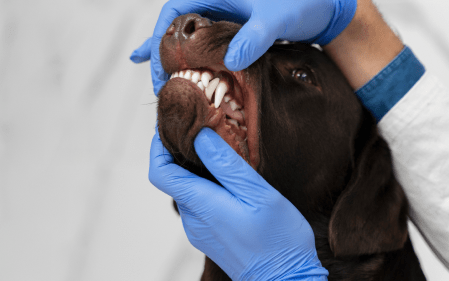
It’s a scenario every dog owner dreads: you take your pup in for a routine checkup, expecting a clean bill of health, only to hear the vet say, "He really needs a dental cleaning." Then comes the estimate—a piece of paper that often ranges from $500 to over $1,000, leaving you with instant sticker shock. Between the high price tag and the terrifying thought of putting your dog under anesthesia, it’s natural to wonder if this procedure is truly necessary or just an upsell. In this post, we’re going to look past the scary numbers to break down exactly what you’re paying for, why anesthesia is non-negotiable for a real cleaning, and whether or not you can safely skip it.

It is easy to assume that pearly white teeth equal a healthy mouth, but that is a dangerous misconception. Think of your dog’s tooth like an iceberg: roughly 60% of the structure is hidden beneath the gumline, and that is exactly where the real trouble begins. While visible tartar is unsightly, it is largely a cosmetic issue; the true danger lies in the bacteria burrowing into those hidden pockets, causing periodontal disease that silently rots the jawbone and can even spread infection to major organs like the heart and kidneys. This is why "anesthesia-free" cleanings or groomer services are often deceptive; they clean only the visible surface—the tip of the iceberg—while leaving the deep-seated infection underneath to continue causing pain and damage.
When you stare at an estimate that rivals your car payment, it is easy to feel like you are being nickel-and-dimed. However, a proper veterinary dental is not just a "teeth cleaning"—it is a medical procedure performed under general anesthesia. That price tag isn't just for scraping off tartar; it covers pre-surgical bloodwork to ensure your dog’s liver and kidneys can safely process the anesthesia drugs. It pays for IV fluids to support their blood pressure and a dedicated veterinary nurse whose sole job is to monitor your dog’s heart rate and oxygen levels every second they are asleep. Finally, and perhaps most importantly, it covers dental X-rays. Without X-rays, your vet is flying blind, unable to see the painful abscesses or bone loss hiding below the gumline. You aren't just paying for clean teeth; you are paying for the safety protocols that ensure your dog wakes up.
The "Anesthesia-Free" Dental Myth
If you see an ad for a $150 "anesthesia-free" dental cleaning at a groomer or pet store, it sounds like the perfect solution: it’s cheap, and you don’t have to worry about your dog going under. But in the veterinary world, this is often considered a disservice to the pet. These procedures are purely cosmetic. While they scrape the tartar off the visible part of the tooth (making it look white), they cannot clean under the gumline where the actual disease lives.
Furthermore, imagine the stress of the procedure itself: a stranger has to physically restrain your dog and use sharp metal tools in their mouth while they are fully awake. Because the dog is awake, it is impossible to polish the teeth after scraping, leaving micro-grooves on the enamel that actually attract more bacteria. The result? You walk away thinking your dog is healthy because their teeth are white, while infection continues to eat away at the jawbone unnoticed until it becomes an emergency.
The "Wait and See" Gamble (Cost vs. Risk)
When faced with a high estimate, the most common reaction is, "I'll wait a bit. He seems fine." This is often the most expensive decision you can make. Let’s look at the two scenarios:
-
Scenario A (Prevention): You pay for a "Grade 1" cleaning now, likely costing around $600–$800. Your dog keeps all their teeth, wakes up with a fresh mouth, and you go home.
-
Scenario B (Waiting): You wait two years. The breath gets worse. Finally, the dog stops eating dry food. Now, you are paying for a "Grade 4" dental. Because the infection has eaten the bone, the vet has to surgically extract 4 or 5 rotting teeth. This requires more anesthesia time, oral surgery fees, nerve blocks, and post-op antibiotics. The bill is now $1,500 to $2,500+.
Financially, waiting costs double. Medically, it’s worse. During those two years of "waiting," oral bacteria was constantly entering your dog's bloodstream every time they chewed, stressing their heart valves and kidneys. "Waiting" isn't saving money; it is borrowing time at a very high interest rate.
Aftercare: How to Never Pay for Extractions Again
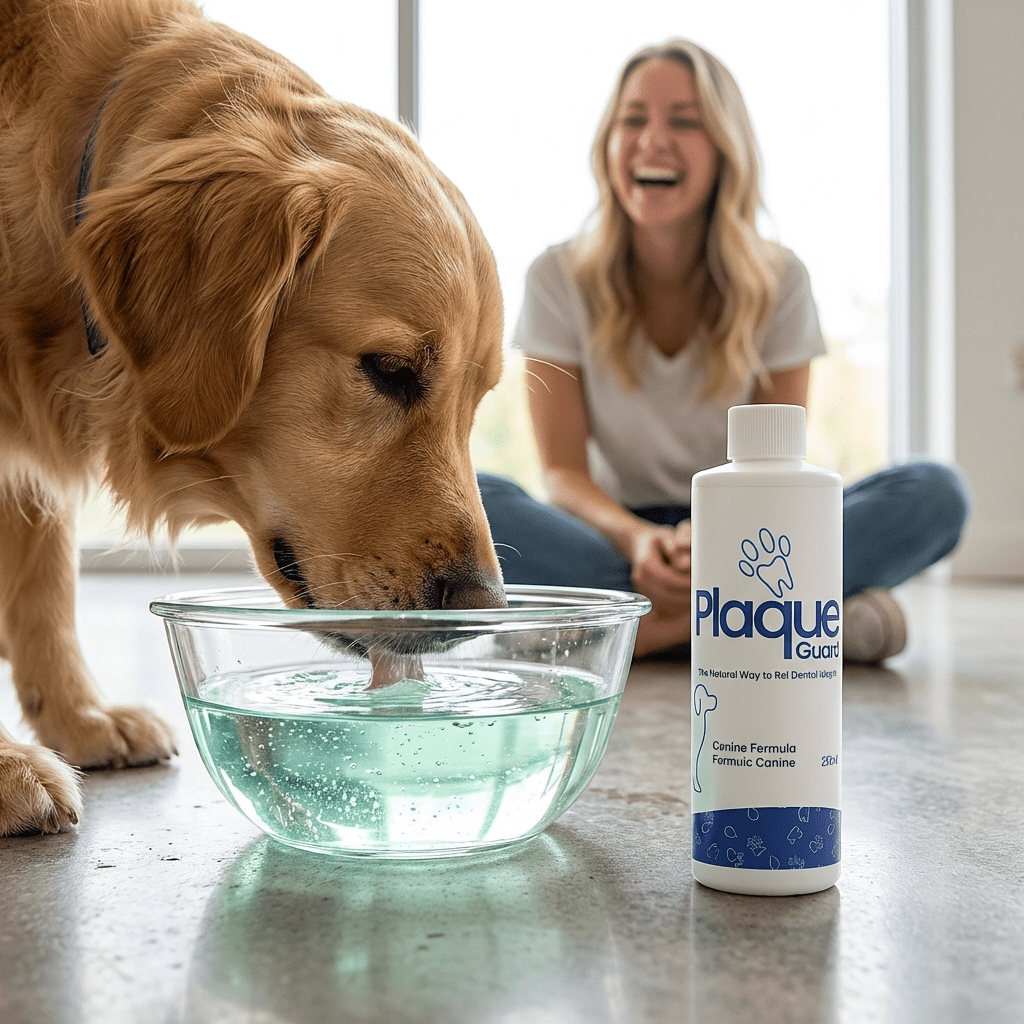
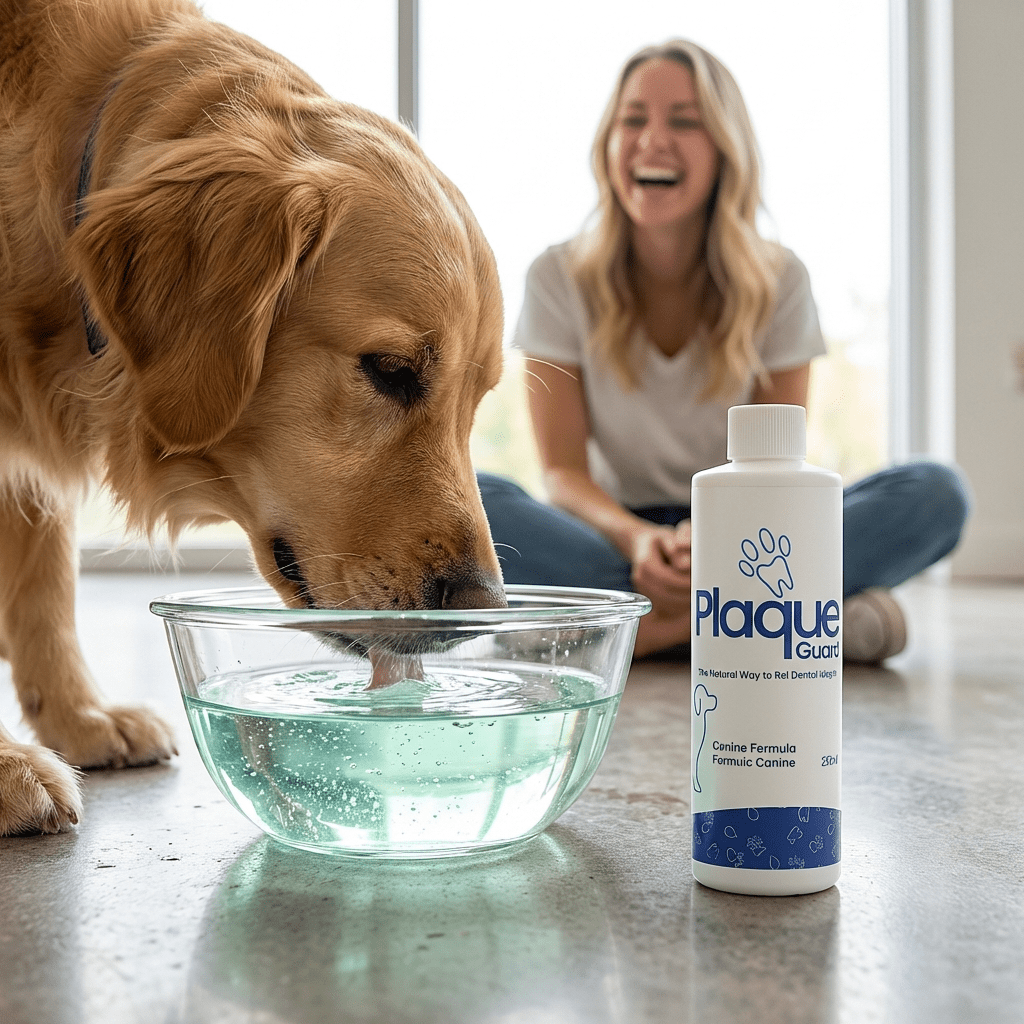
The "Zero Effort" Defense: Plaque Guard
-
For the busiest owners, science has given us a way to clean teeth every time your dog takes a drink."
-
Unlike brushing (which relies on friction), Plaque Guard is a water additive that works biochemically. It uses natural ingredients (like zinc gluconate and plant extracts) to soften existing tartar and change the pH of the saliva so new plaque can't stick to the teeth.
-
Why it wins: It reaches the back molars that even a toothbrush often misses, and because it’s tasteless in the water, your dog won't even know they're being treated.