How to Clean Dog Teeth Without Brushing
How to Clean Dog Teeth Without Brushing
Keeping your dog’s teeth clean is one of the most important things you can do for their long-term health. Dental disease affects more than 80% of dogs over the age of three, and it doesn’t just cause bad breath—it can lead to painful gum infections, tooth loss, and even heart, kidney, and liver problems when bacteria enter the bloodstream.
The gold standard is daily brushing. But let’s be honest: a lot of dogs hate it, many owners struggle to do it consistently, and some pets simply won’t tolerate a toothbrush in their mouth. The good news is you don’t have to rely on brushing alone. There are effective, low-effort ways to reduce plaque and tartar and keep your dog’s mouth healthier.
Here are the most practical methods that actually work.
1. Use a Daily Water Additive (The Easiest Daily Habit)
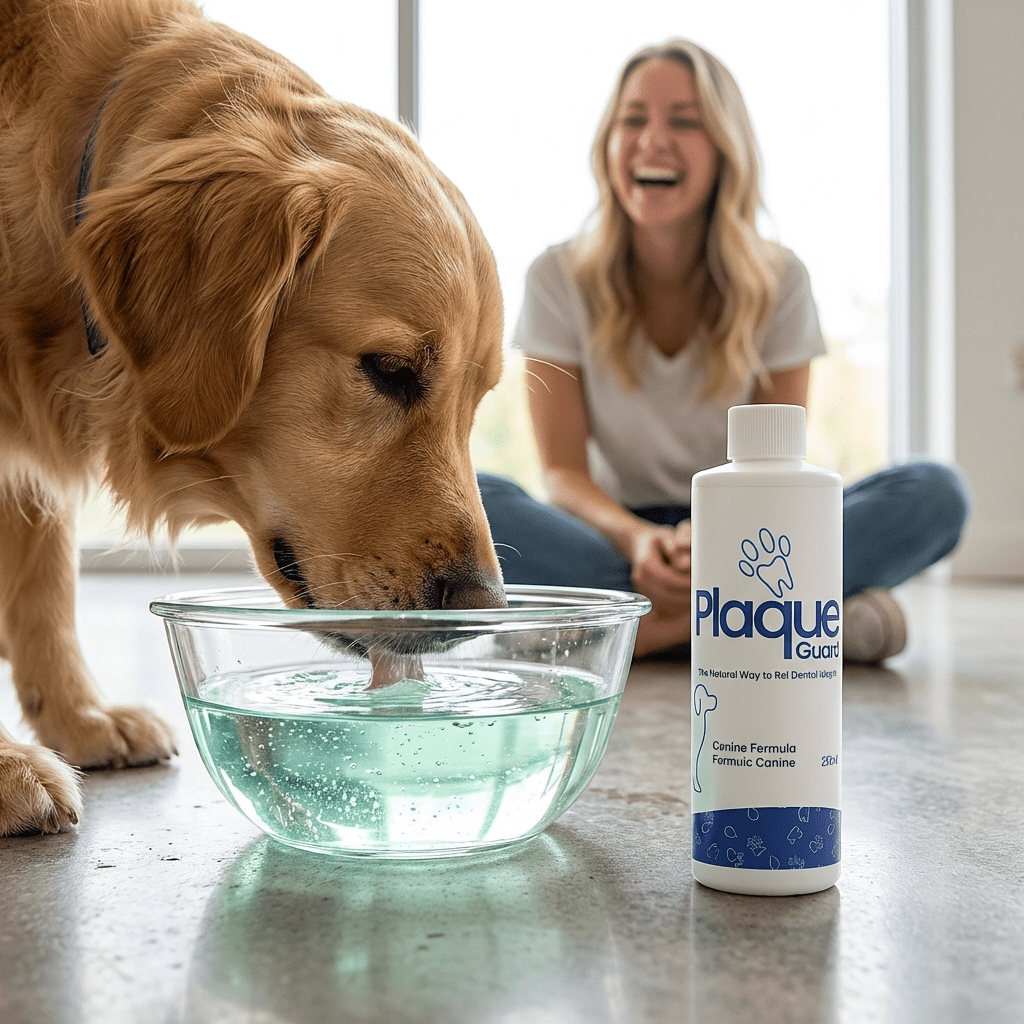
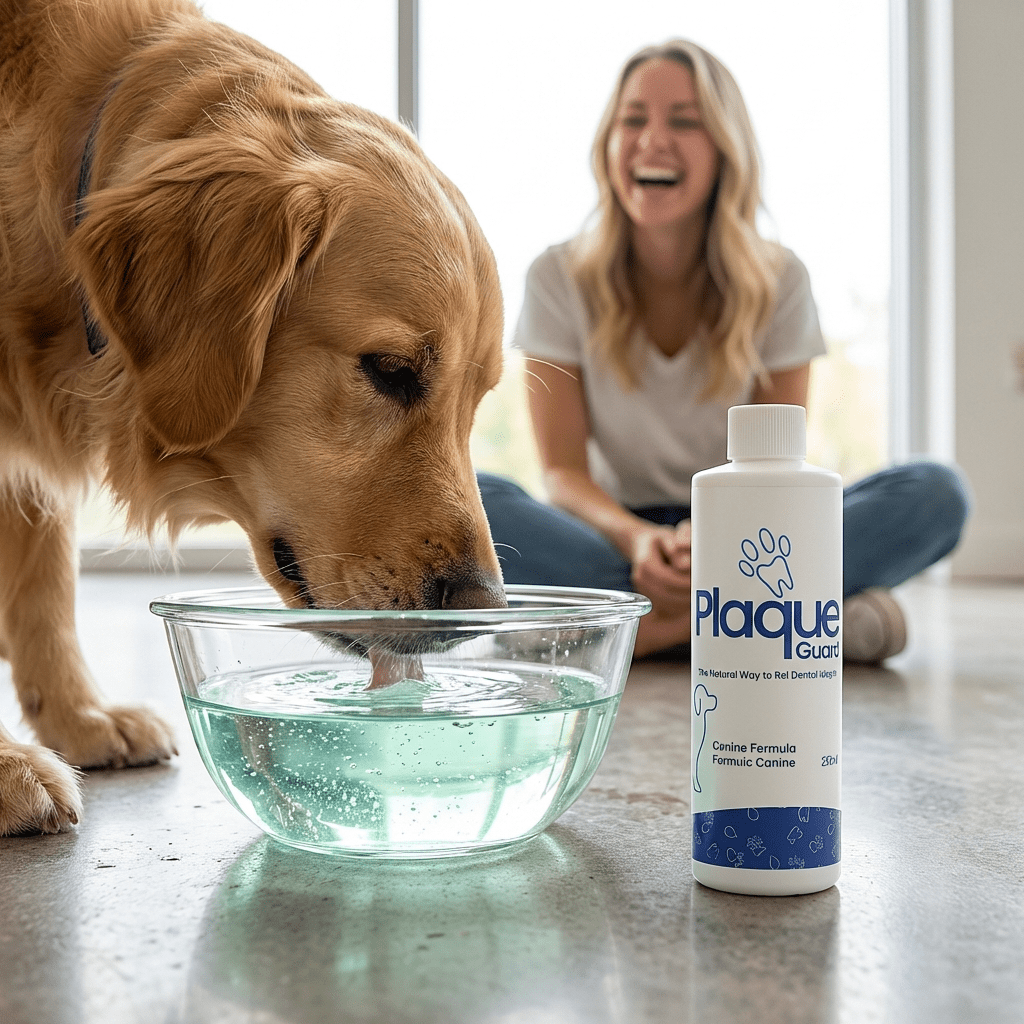
One of the simplest and most consistent ways to fight plaque without brushing is adding a dental water additive to your dog’s drinking water every day.
Plaque Guard is designed specifically for this purpose. You just add the recommended amount to your dog’s fresh water each day. As your dog drinks, the formula works to reduce the formation of plaque and help keep teeth cleaner between professional cleanings. Because it requires almost no effort from you or your dog, it becomes a reliable daily habit instead of a struggle.
Many owners notice fresher breath within a couple of weeks of consistent use. It’s especially useful for dogs who refuse toothbrushes, seniors who may have sensitive mouths, or busy households that need a “set it and forget it” solution.
2. Offer Dental Chews and Treats
Look for chews that are specifically formulated to reduce plaque and tartar through mechanical action (the chewing itself scrapes the teeth) plus ingredients that help control bacteria. Give these according to the package guidelines—usually once a day—and choose sizes appropriate for your dog’s weight so they don’t create a choking hazard.
3. Choose Dental Diets or Kibble Designed for Oral Health
Some premium dog foods and prescription dental diets have a larger kibble size or special texture that helps scrape plaque as the dog chews. These can be a helpful base layer of protection, especially when combined with a water additive like Plaque Guard.
4. Provide Safe Chew Toys
Toys made of durable rubber or nylon that encourage chewing can help clean teeth mechanically. Avoid very hard materials (like antlers or bones) that can fracture teeth. Rotate toys so your dog stays interested.
5. Schedule Professional Cleanings When Needed
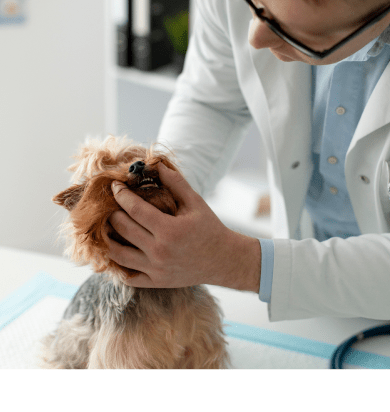
Even with good home care, most dogs will eventually need a professional dental cleaning under anesthesia. Your veterinarian can assess tartar buildup and recommend the right timing. Strong daily home care (especially a water additive) often reduces how frequently these cleanings are required.
Putting It All Together: A Simple Routine That Works
A realistic, effective daily approach looks like this:
- Fresh water with Plaque Guard every day
- A quality dental chew most days
- Occasional dental diet or kibble
- Regular veterinary check-ups
This combination attacks plaque from multiple angles without forcing a daily brushing battle.
Final Tip
Consistency matters more than perfection. Starting a water additive like Plaque Guard is one of the easiest upgrades you can make today. Many dogs who previously had heavy plaque buildup show noticeable improvement when owners simply make the additive part of their normal water routine.
Healthy teeth mean a healthier, happier dog—and a lot fewer expensive dental procedures down the road.